Uber Eats 2023 Exposed
A UX Designer’s Shocking Delivery Experience Unraveled
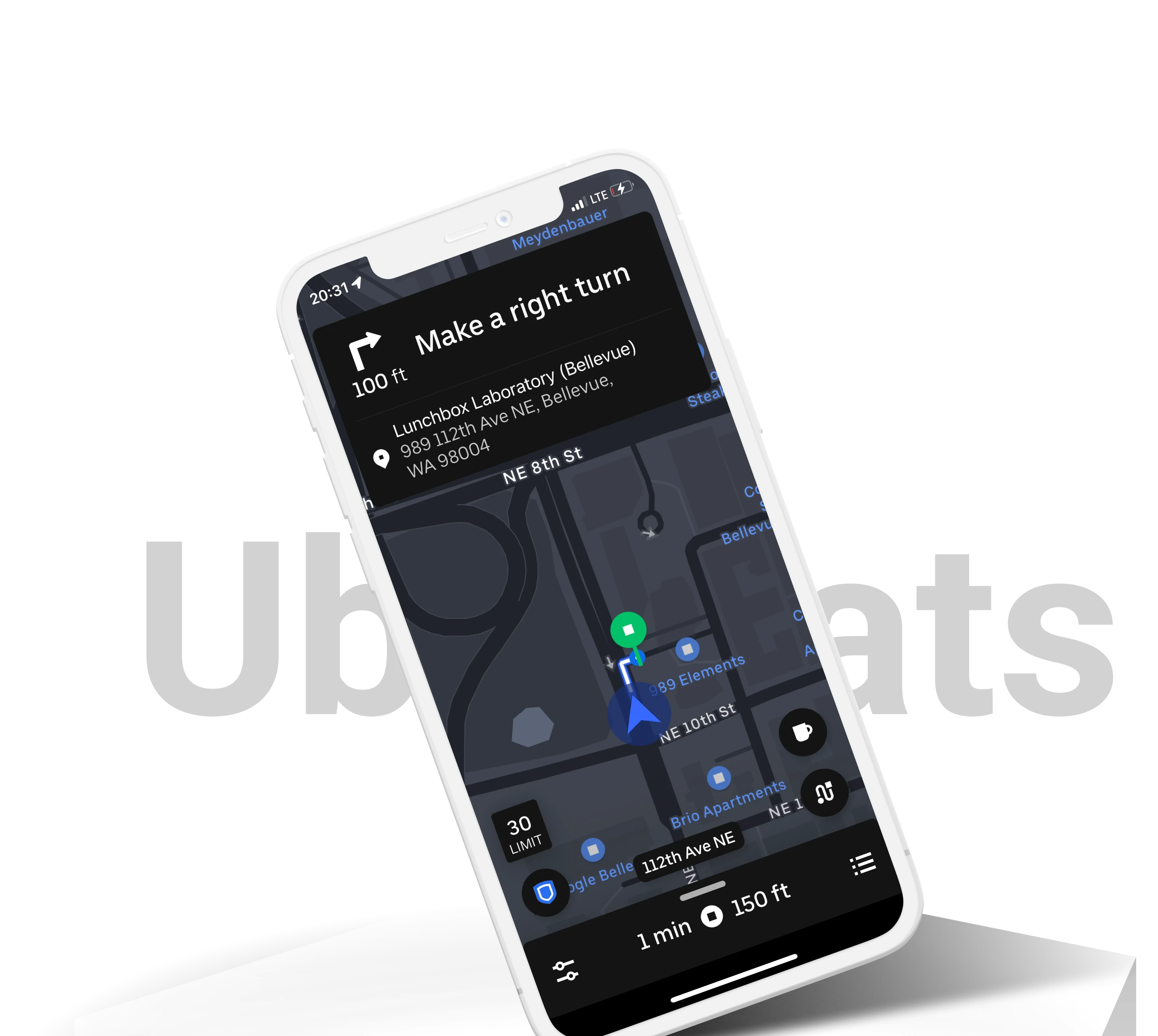
By Ethan Zhou
I spent two days delivering for Uber Eats in Seattle, about 12 hours on the road, actually doing the job rather than just observing. Every problem I hit came down to the same gap: what the driver sees, what the app shows, and what the customer expects don't match. The app is built for driving directions but offers almost no help with parking, walking in, finding the counter, or locating the right door—which is where the time actually goes.
Intro
The COVID-19 pandemic has transformed the way we live and work, leading to a surge in demand for food delivery services like Uber Eats as more people started working from home. As a UX designer with a passion for exploration, I embarked on a two-day adventure as an Uber Eats delivery driver the last weekend to gain a deeper understanding of the challenges and realities of this increasingly important industry. By immersing myself in the role, I hoped to broaden my perspective and enhance my ability to empathize with users in various situations.
Photo by Norma Mortenson on pexels.com
Over two days in Seattle, I discovered many obstacles and unexpected issues that shed light on the working conditions, compensation, and logistics faced by Uber Eats drivers. This article will delve into my journey, highlighting the issues I encountered and offering an analysis of how Uber Eats can improve its platform to create a better experience for both drivers and customers. In the following sections, I will discuss the key challenges I faced during my two days as a delivery driver and provide a deeper examination of the underlying factors contributing to these issues.
1. Real-life UX
Uber Driver App Mobile UX in Real-World User Flow
Photo by Norma Mortenson on pexels.com
As someone who had never used the Uber Driver app before, I had high expectations for its usability, given Uber’s reputation for valuing UX design and the numerous iterations the app has likely undergone. However, after two days of use, I found the app to be far from optimal for delivery drivers, particularly in busy cities like Seattle or San Francisco.
While it’s understandable that the app’s general map and navigation features are not as advanced as Google Maps, the main issue lies in the lack of consideration for real-life delivery workflows. In busy cities like Seattle, a typical delivery flow involves accepting a request, driving to the pickup location, finding and navigating parking, walking to the restaurant, picking up the bag/box/package from the restaurant, returning to the car, driving to the drop-off location, parking again, and then locating the customer’s address. Despite the complexity of this process, the app provides no guidance on parking or walking, which are the most significant pain points for delivery drivers.
Parking in busy cities is challenging, and finding a suitable spot near the pickup location can be difficult. Sometimes, drivers have to park several blocks away. Locating the restaurant can also be challenging, as buildings may house multiple eateries, and some might be situated in shopping centers that require a lengthy walk. There may even be discrepancies between the restaurant names listed in the app and their actual signage. The app provides no assistance in these areas, offering only driving navigation and no information on potential parking spots or walking directions.
The situation becomes even more problematic at the delivery destination. For example, locating the correct apartment can be a nightmare, as drivers may need entry codes or have to use a call box. In cities like Seattle, where daylight hours are shorter in winter/spring, finding the right address in the dark becomes even more challenging. The app does not provide any helpful information for these steps, such as images uploaded by the restaurant or users. Despite being in operation for many years, Uber Eats has yet to address these crucial aspects of the delivery process.
I understand that the Uber Driver app may have been primarily designed for passenger transportation, and in that context, it does quite well. However, given that food delivery has become one of Uber’s main businesses, it’s surprising that the app doesn’t take into account the unique challenges faced by delivery drivers. It seems as though the designers may not have fully immersed themselves in the delivery task flow.
The combined request feature, which merges two trips, is a great way to boost earnings and efficiency. However, it also amplifies the pain points mentioned earlier, as drivers now have to park and navigate busy areas twice, all while trying to deliver food quickly to two hungry customers.
Although I may have been a bit harsh in my initial assessment, the app does provide “some information” in the “Note from business” section. However, this section is small, difficult to read, and not driver-friendly. Moreover, the usefulness of the information provided largely depends on the quality of the notes written by the businesses themselves, which can be inconsistent. Drivers are left to navigate these challenges on their own, often while managing multiple orders and trying to meet tight delivery timeframes.
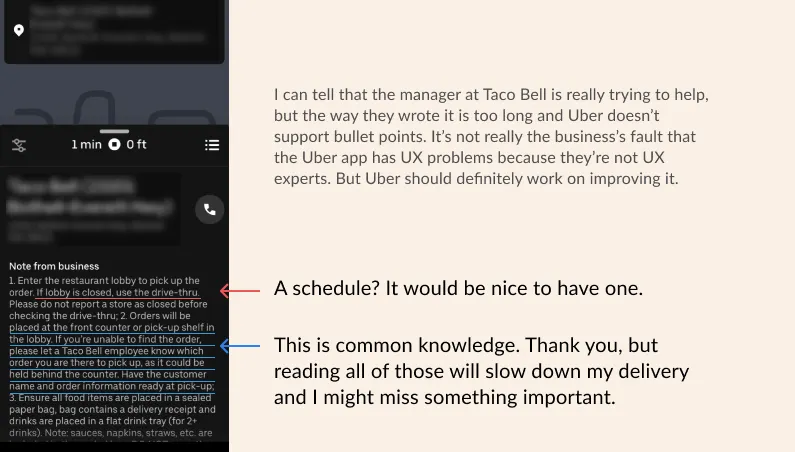
A screenshot of the Note from the business section
This is a typical case in that I found myself perplexed and annoyed at how I was expected to pick up useful information from such a tiny, cluttered space while approaching the restaurant. The information is disorganized and haphazard. It’s not fair to blame the restaurant owners, as they aren’t UX experts and seem to be doing their best. But Uber, surely you can recognize the problem and provide some guidelines, perhaps better-organized spaces and more sections from the product end?
Additionally, several other instances contribute to frustration and inconvenience. One particularly irritating issue is a persistent dialog that appears, asking if I need to text the recipient in case something goes wrong. I didn’t manage to capture a screenshot of this, as it constantly interrupted me while I was taking a photo during the delivery confirmation step. The dialog seems to be triggered by an algorithm when I’m at the destination for a certain amount of time. While it can occasionally be helpful, it is infuriating when it pops up just as I’m taking the photo, clearly indicating that I’m about to finish the task. Why would it appear at this stage, when I’m on the verge of completing the delivery? What’s worse is that the invasive dialog doesn’t just interrupt the photo-taking process but also erases the photo being taken, forcing me to retake the photo.
Another issue I encountered is Uber’s over-reliance on iconography. While I understand that icons can be a valuable tool for designers and users alike, using them excessively can lead to confusion, especially if the icons don’t convey a clear meaning.
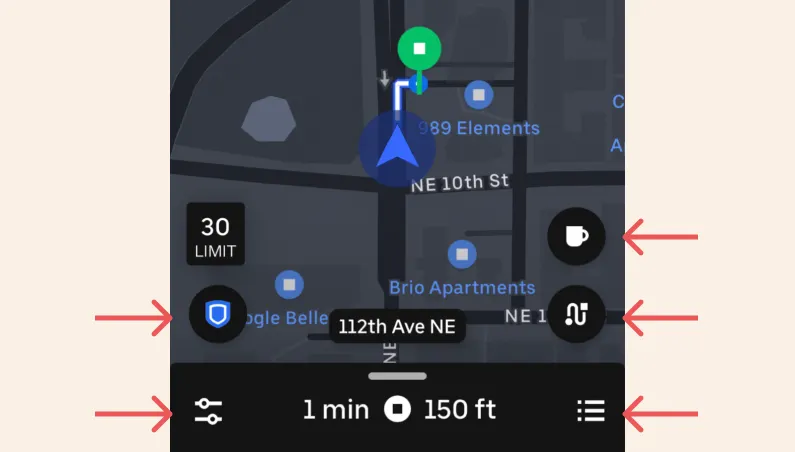
A screenshot of the delivery navigation UI
Just take a guess — what do you think each of these icons represents? And what do you think would appear when you interact with these icons? If you were in the middle of a delivery, would you have the time or inclination to figure them out? When you need a specific feature to address a particular issue, would you be able to easily navigate to the correct icon?
The interface might become manageable after some training and a learning curve, but as for being intuitive? Not.
There are numerous other issues, such as enormous power consumption. Can you imagine my phone battery dying once while it was charging and plugged into my car? Sure, my phone is relatively old — an iPhone 11 Pro — but I don’t think that’s the main issue, as I’ve never experienced my phone’s battery dying while charging, even when playing games. Additionally, the app doesn’t indicate your current step and doesn’t allow you to reverse a step if you accidentally click something during a complex trip, which happens quite often because it frequently combines trips during busy hours. I once had to call customer service and waste 10 minutes because I clicked “complete delivery” twice. It marked the entire trip as completed, but I hadn’t delivered the second order yet after finishing the first one. The app didn’t show me the previous address that was supposed to be delivered, and even stranger, it allowed me to complete the delivery even though I hadn’t been to that place yet. Uber should definitely know that I hadn’t been there yet, and there wasn’t even a warning or anything. Preventing and accommodating human error is fundamental in UX design, and I just don’t understand why this issue exists.
In summary, from a user experience standpoint, the Uber Driver app leaves much to be desired when it comes to fulfilling delivery tasks. Although I haven’t had the opportunity to explore its performance in passenger transportation, my current assessment leads me to believe it fares better in that domain but remains woefully inadequate for optimizing the delivery process. As I delve deeper into my two-day delivery adventure, I’ve uncovered a plethora of additional insights that warrant attention. With that said, I’ll now transition from the UX critique and shed light on these intriguing observations in the forthcoming section.
2. Parking
Challenges and Safety Concerns
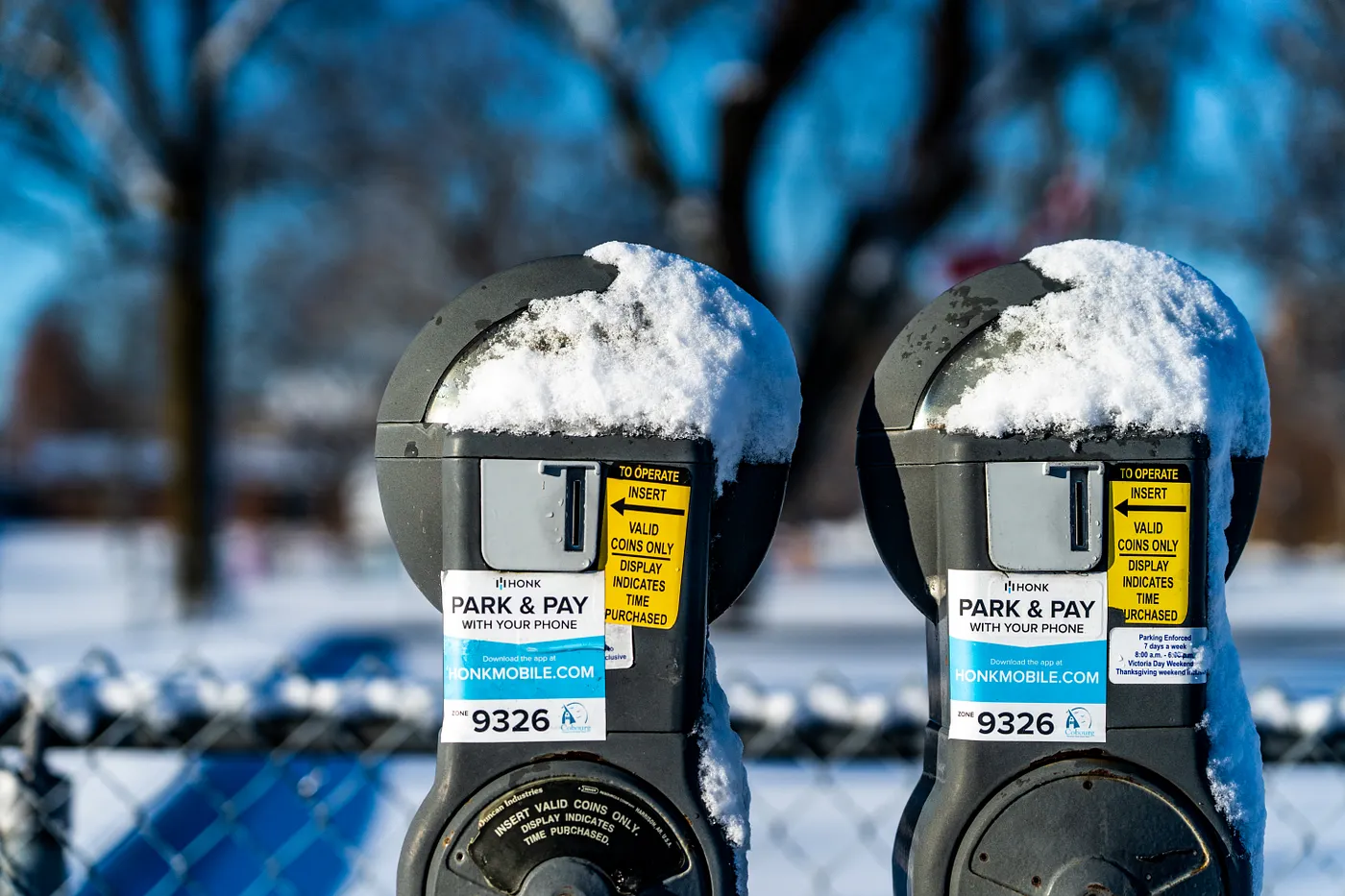
Photo by chris robert on Unsplash
Having explored the UX issues related to the Uber Driver app, let’s now delve into the parking and accessibility challenges drivers face in busy cities, as well as the safety concerns that arise from these issues.
As mentioned earlier, finding suitable parking spots near restaurants and delivery locations can be incredibly difficult and time-consuming. This issue affects drivers’ earnings and reviews, which depend on delivery speed, and raises safety concerns. Navigating complex parking lots and walking through busy shopping malls or plazas further adds to the time constraints drivers face.
One might suggest using bicycles or scooters to avoid parking issues and save time. However, this isn’t a practical solution in cities like Seattle and San Francisco, where steep hills and long distances between pickup and drop-off locations make cycling or scootering inefficient and physically demanding.
It’s worth noting that parking challenges have evolved since the pandemic. In 2023, as cities have regained their hustle and bustle, the difficulty of finding parking has only increased, adding to drivers’ stress levels.
The frustration and stress associated with parking and navigating busy areas can lead to a higher risk of accidents, as drivers may be more prone to making errors while driving. Additionally, walking alone in unfamiliar areas while carrying food deliveries can expose drivers to the risk of robbery or other safety threats.
Considering these factors, it’s crucial for companies like Uber Eats to reevaluate their approach to food delivery services in busy cities, taking into account the unique challenges drivers face and prioritizing their safety and well-being. Developing strategies to mitigate these concerns, such as providing drivers with more information on parking options or partnering with local businesses to offer designated parking spots, could significantly improve the overall delivery experience.
3. Navigating
Pickup and Delivery Locations: A Compounding Challenge in a Post-Pandemic World

Photo by Brandon Griggs on Unsplash
In discussing parking and accessibility difficulties, it’s essential to mention another layer of complexity for delivery drivers: locating the exact pickup and drop-off locations. The pandemic has significantly impacted customer behaviors and expectations, leading to new challenges for drivers when finding the correct address.
Years ago, when you were a dedicated delivery driver for a Chinese restaurant, locating delivery addresses was problematic for similar reasons as today. However, it was somewhat easier due to different customer expectations. Back then, you could call customers ahead of time to let them know you were approaching and often receive guidance and entry codes, or even meet them at the building entrance.
In contrast, the pandemic has shifted the culture towards contactless deliveries, with 90% of orders now instructing drivers to leave the food at the door. While this practice reduces face-to-face interactions, it complicates the process for drivers, particularly in apartment complexes. Drivers must carefully double-check the provided information to ensure they’re leaving the order at the correct door, which can be time-consuming and stressful.
Moreover, some apartment buildings have unclear or missing unit numbers and building signs, further complicating the delivery process. In cities like Seattle, where daylight hours are limited during certain seasons, finding the right apartment in the dark can be an additional challenge. Drivers may need to rely on poorly lit signs or navigate confusing building layouts.
These challenges not only contribute to delays and inefficiencies but also increase driver stress levels. As they race against the clock to deliver orders promptly, drivers may feel pressured to make risky decisions, such as parking in unsafe or unauthorized areas, which could lead to accidents or penalties.
4. Safety
Driving in Rush Hour Traffic: The Balancing Act Between Customer Satisfaction and Driver Safety
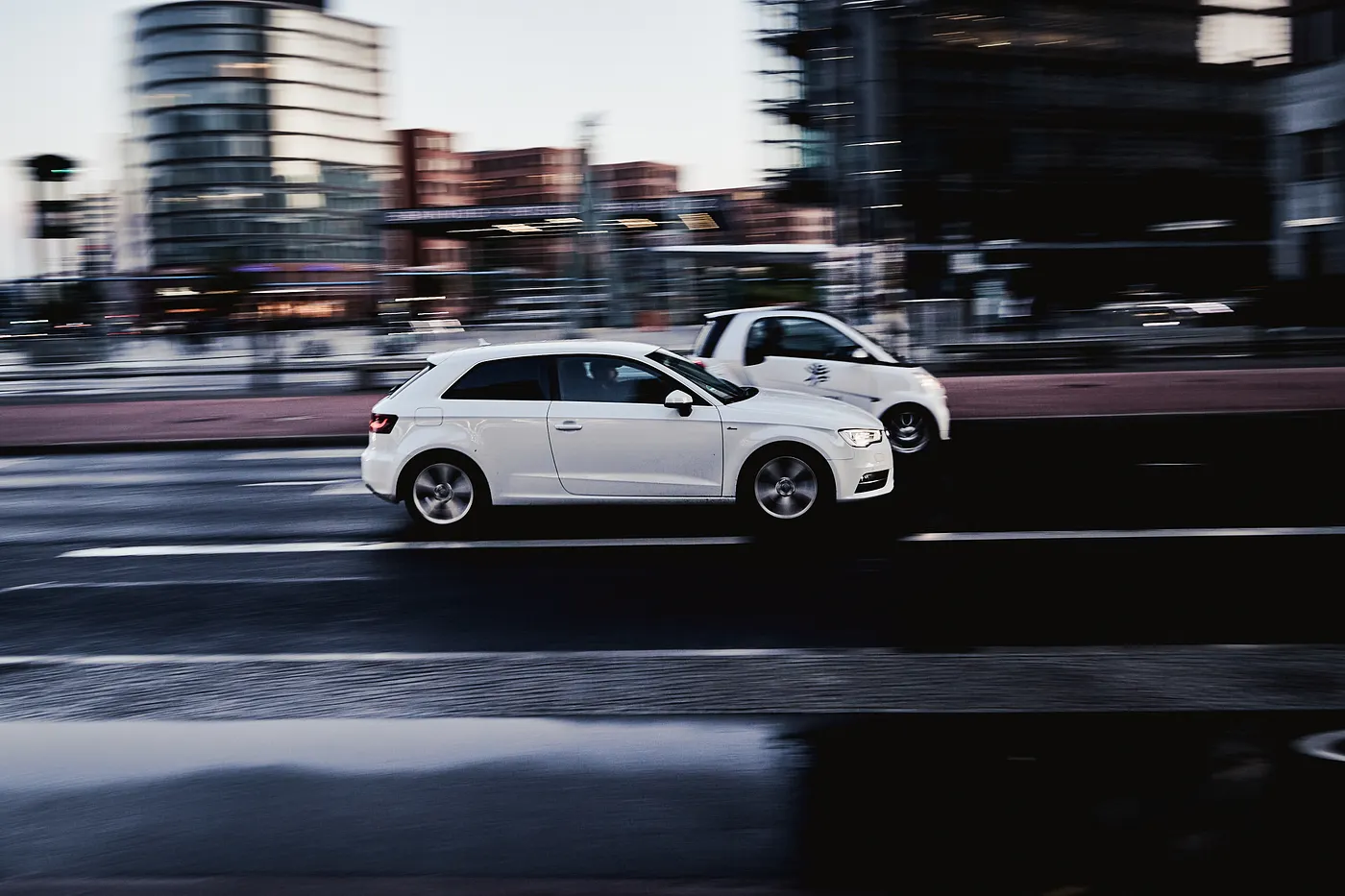
Photo by Marco Lastella on Unsplash
The challenges faced by Uber Eats drivers don’t end with parking and locating drop-off locations; they also need to contend with navigating the treacherous streets of busy cities during peak hours. With increased traffic congestion and heightened stress levels, driving during rush hour poses a unique set of safety risks that can significantly impact a driver’s experience and well-being.
As Uber Eats drivers strive to meet tight delivery timeframes, they may be tempted to take shortcuts or make risky maneuvers, putting themselves and other road users at risk. In congested areas, drivers must be particularly cautious, as they must constantly monitor their surroundings for pedestrians, cyclists, and other vehicles. This level of vigilance can be mentally exhausting, particularly over extended periods.
Moreover, drivers are often faced with the difficult decision of choosing between their safety and maintaining their delivery times. For example, they may feel pressured to speed through yellow lights or make quick lane changes, which can lead to accidents or traffic violations. Such incidents can result in financial consequences for drivers, such as increased insurance premiums or fines, as well as potential harm to their reputation on the platform.
Although Uber Eats does offer some online tutorial safety guides for their drivers, the reality remains that waiting at a red light could delay delivery by two minutes, which could result in a lower rating and a delay in the next delivery, ultimately affecting the driver’s earnings. This raises the question: What choice would a driver make in such a situation?
5. Cost
Cross-City Deliveries and Fuel Consumption
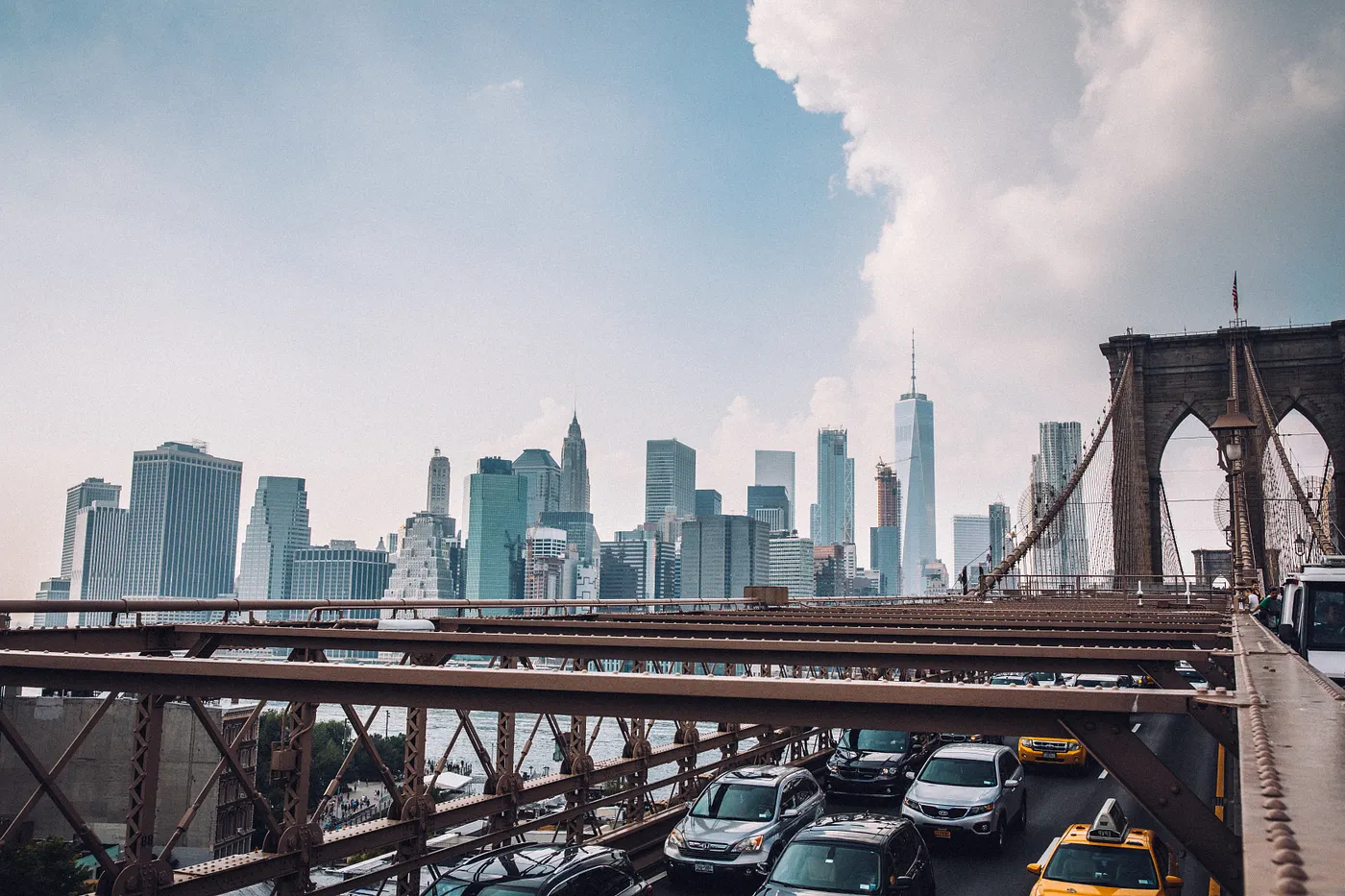
Photo by Wes Hicks on Unsplash
During my two-day adventure as an Uber Eats driver, I frequently received delivery requests that required me to travel between Bellevue and Seattle or vice versa. These cross-city deliveries presented a unique set of challenges, particularly in terms of fuel consumption and its financial and environmental implications.
When taking on these long-distance deliveries, I noticed that I was spending more time on the road, consuming more fuel in the process. Not only did this add to my expenses, but it also negatively impacted the environment due to increased greenhouse gas emissions. Furthermore, the time spent on these cross-city deliveries accumulated, affected my overall earnings, especially when factoring in the additional fuel costs.
Fluctuating gas prices made it difficult for me to accurately estimate my expenses, which led to additional stress and financial uncertainty. This was especially true when I had to travel through areas with higher gas prices, as the cost difference was substantial.
During my experience as an Uber Eats driver, I realized that the impact of fuel consumption on drivers’ earnings cannot be overlooked. It is crucial to consider expenses related to gas, maintenance, and vehicle depreciation when evaluating the feasibility of working with food delivery platforms. The prevalence of long-distance deliveries, like those I encountered between Bellevue and Seattle, further emphasized the financial burden of fuel consumption.
6. Earnings
Earnings and Expenses: The Harsh Reality of Uber Eats Driver Compensation

Photo by Alexander Mils on Unsplash
Finally, it’s time to discuss earnings and expenses, which should be the most exciting part of this journey. However, after careful consideration and calculation of my experience as an Uber Eats driver, the reality is far from thrilling. In fact, it’s quite disappointing. When you take into account the need to provide your own equipment, such as a car, and the risks and frustrations involved in the job, the compensation is far from reasonable.
Over my two-day adventure with Uber Eats, I came to the harsh realization that the financial outlook for drivers is not promising at all. The gross earnings rate falls significantly below Seattle’s minimum wage of $18.69 per hour and is only roughly equivalent to Washington State’s minimum wage of $15 per hour. On Friday night, I made $60 from Uber and $30 in tips during a six-hour non-stop delivery shift. On Saturday night, I earned $55 and $25 in tips in a five-and-a-half-hour delivery marathon.
Taking into account the fuel consumption for these two days, which amounted to about $20 in total, the net income is even more disheartening. Furthermore, the hidden costs of using your own car and equipment make the earnings rate unacceptable. I am aware that there used to be bonus programs, but I didn’t encounter any reasonable offers during my short stint. There was one bonus that offered $600 for 1800 points. Each trip earns one point and a trip during rush hour earns three points. Considering all my trips were during rush hours, I still only accumulated 80 points in total over two days. It would take me months to reach the bonus threshold, making it a hopeless endeavor.
This leads me to believe that Uber Eats must have some underlying problems that remain unaddressed. I don’t want to speculate on the specifics, but what I do want to emphasize is that the current situation is far from being fair to drivers.
7. Earning Transparency
The Impact of Combined Orders: The Reality of Uber Eats’ Pay Structure

Photo by Sam Dan Truong on Unsplash
The issues with Uber Eats earnings don’t stop with low pay rates; the pay structure and transparency are problematic as well. One significant concern is the heavy reliance on tips for a substantial portion of a driver’s income. This reliance creates an inherent lack of transparency, as drivers can’t always predict whether they will receive a tip, making it difficult for them to determine if a trip is worth their time and effort.
In addition to the uncertainty surrounding tips, there are also reports of “tip baiting,” where customers change their tip after the delivery has been made. Although I didn’t experience any instances of tip baiting during my two-day experiment, the fact that it’s widely discussed online suggests that it’s an issue worth considering.
During my brief stint as an Uber Eats driver, I found that at least one-third of my earnings came from tips, and I barely made the state minimum wage when accounting for these tips. This means that the amount I earned from Uber alone was far from fair compensation for my time and effort. I believe it’s important to emphasize this point, as it highlights the need for better compensation structures in the gig economy.
Furthermore, the bonus program requires an 85% acceptance rate for drivers to qualify, which means that drivers have little leeway to reject trips that don’t offer tips upfront. To maintain their rank within the bonus program, drivers are essentially forced to accept nearly every trip, regardless of the potential tip amount.
These factors compound the difficulties faced by Uber Eats drivers, making it even more challenging to earn a fair wage for their work. It’s crucial to address these issues and work towards a more transparent and equitable compensation model for gig workers.
Summary

Photo by Christophe Hautier on Unsplash
In conclusion, my experience as an Uber Eats driver has shed light on the numerous challenges that drivers face daily. From safety risks to logistical issues and problematic pay structures, it’s clear that there’s much room for improvement within the Uber Eats platform. It’s crucial for Uber Eats to address these concerns and work towards creating a more equitable and transparent environment for its drivers. By doing so, they can ensure that drivers receive fair compensation for their time and effort, while also providing a better experience for customers who rely on these services.
Uber Eats’ bonus programs played a significant role in making earnings more acceptable during the pandemic. However, the current state of these incentives does not seem to provide enough motivation for drivers to overlook the existing issues. As a result, the platform’s long-term sustainability might be at stake unless substantial improvements are made.
Considering that Uber Eats has been in the food delivery business for quite some time, these lingering issues are difficult to justify. It’s essential for the company to make a genuine effort to resolve these problems and strive to strike a balance between customer satisfaction and the well-being of its drivers. Only then can Uber Eats truly excel as a leading food delivery platform and create a positive experience for all parties involved.
If Uber Eats fails to address these issues and continues to operate with the current business model, the long-term sustainability and success of the platform may be called into question. A healthy business model should prioritize the needs of both its customers and its workforce, ensuring fair compensation, safety, and overall satisfaction. Without significant improvements, Uber Eats risks tarnishing its reputation and jeopardizing its position within the competitive food delivery market.